
-

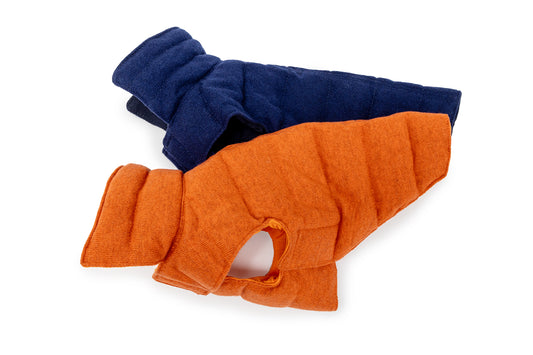
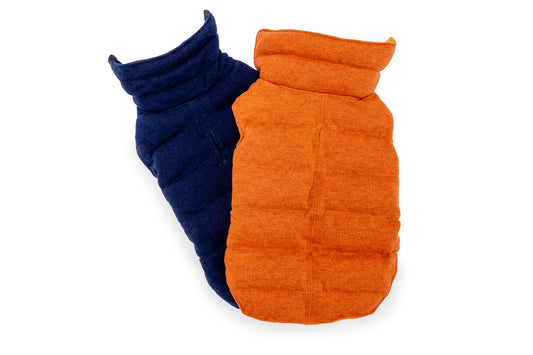
Cashmere Down Puffers - Orange or Blue
Regular price $385.00Regular priceUnit price per -
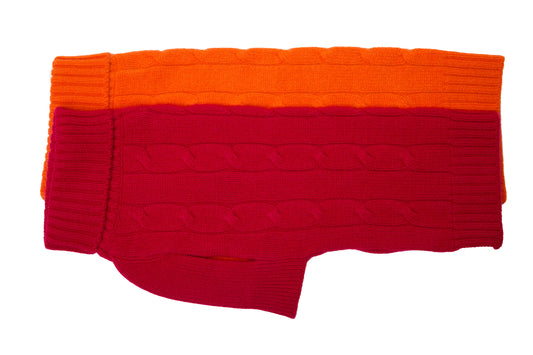
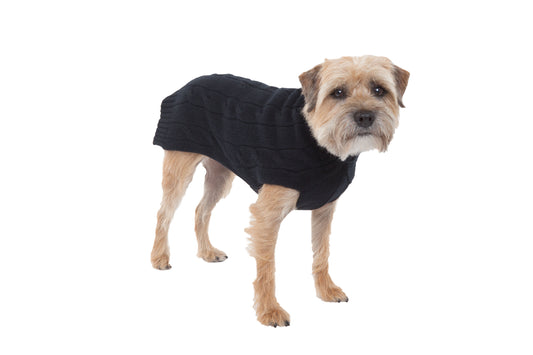
Cashmere Dog Solid Sweater - Black, Red & Orange
Regular price $265.00Regular priceUnit price per -
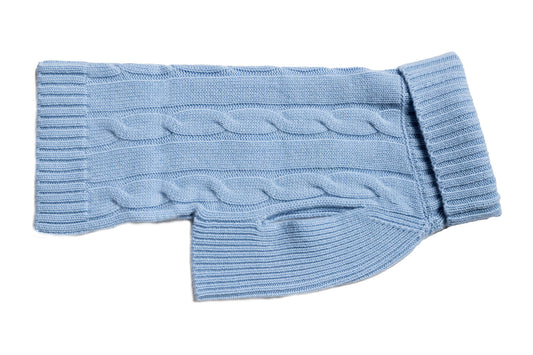
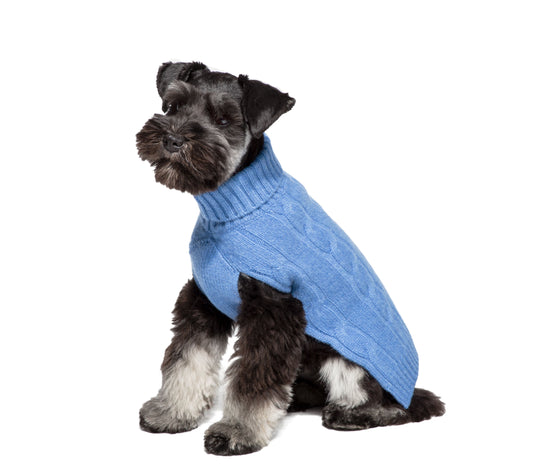
Cashmere Dog Solid Sweater - Gray, Light Pink & Baby Blue
Regular price $265.00Regular priceUnit price per -
Cashmere Dog Solid Sweater - Canine Styles 3 Color Options
Regular price $265.00Regular priceUnit price per -
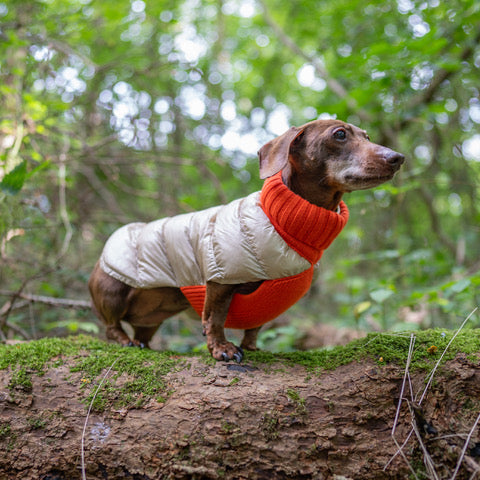
Cashmere Down Puffers - Cranberry, Oatmeal, Apple-green
Regular price $385.00Regular priceUnit price per -
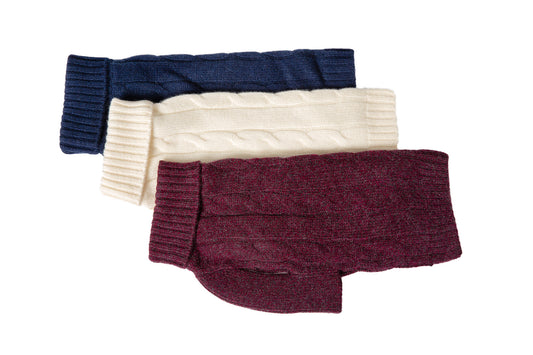
Cashmere Dog Solid Sweater - Navy, Winter White & Heather Burgundy
Regular price $265.00Regular priceUnit price per -
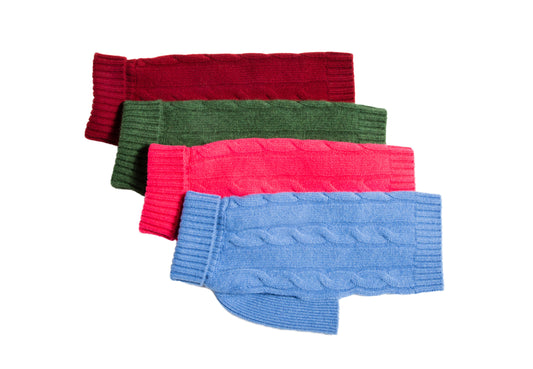
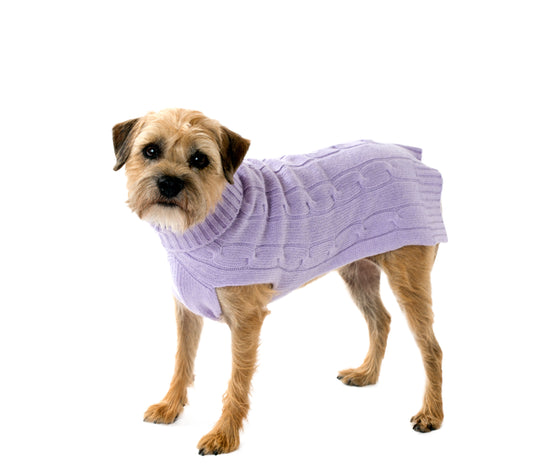
Cashmere Dog Solid Sweater - Lavender, Oatmeal & Fuschia
Regular price $265.00Regular priceUnit price per -
Cashmere/Down - Dog Sweater - Lilly Bird Puffer Sweater - 3 Color Options
Regular price $285.00Regular priceUnit price per -
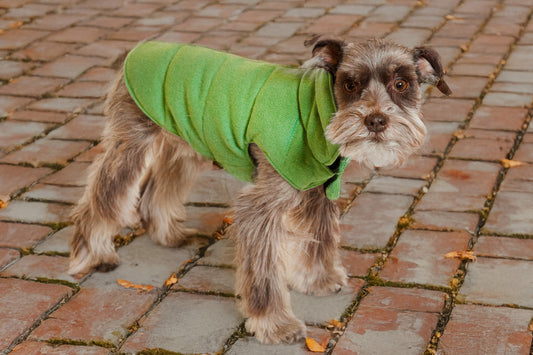
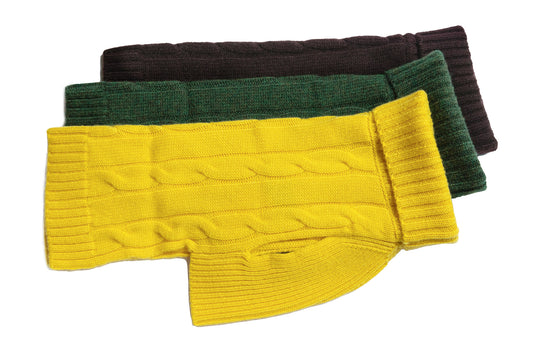
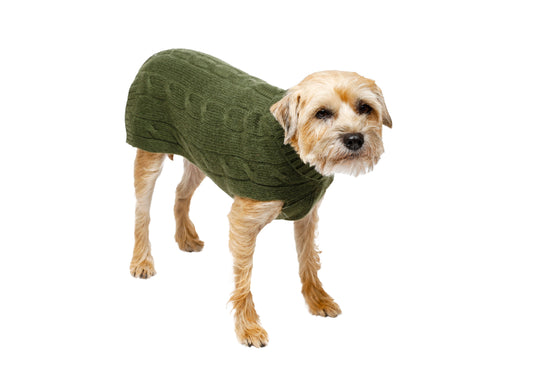
Cashmere Dog Solid Sweater - Green, Brown & Yellow
Regular price $265.00Regular priceUnit price per -
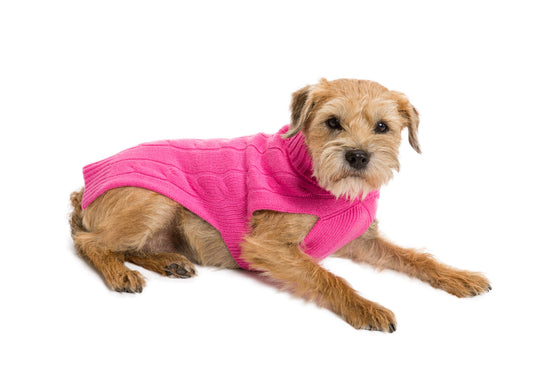
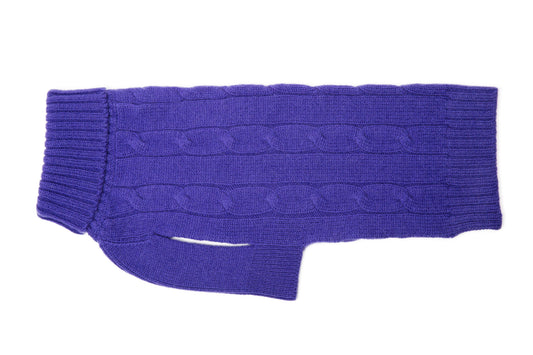
Cashmere Dog Solid Sweater - Hot Pink & Purple
Regular price $265.00Regular priceUnit price per -
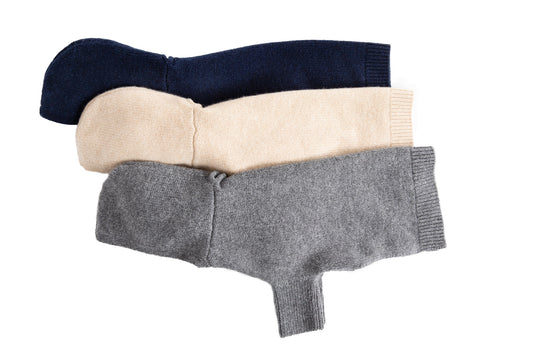
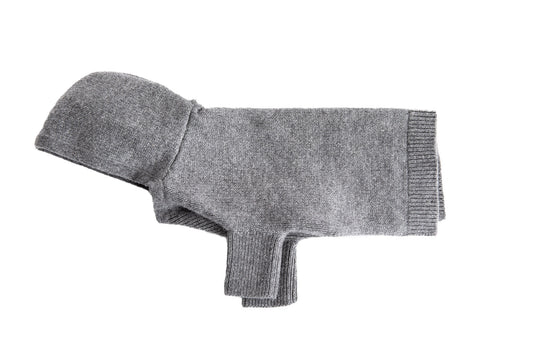
Cashmere Hooded Sweater - 3 Color Options
Regular price $325.00Regular priceUnit price per -
Cashmere & Down - Dog Sweater - Lilly Bird Cashmere/Down Puffer - Tan
Regular price $350.00Regular priceUnit price per






Frequently Asked Questions
Is cashmere better than wool for a dog sweater?
Is cashmere better than wool for a dog sweater?
Cashmere is softer, lighter, and warmer by weight than wool — it provides excellent insulation without the bulk. It's also typically gentler on sensitive skin, making it a strong choice for dogs that react to coarser fibers. Wool is a strong performer too — it's highly durable, easy to care for, and available at a lower price point. If warmth, softness, and comfort are the priority, cashmere is the premium choice.
Is cashmere hypoallergenic for dogs with sensitive skin?
Is cashmere hypoallergenic for dogs with sensitive skin?
Cashmere fibers are finer and smoother than wool, which means less friction against the skin and less likelihood of irritation. Many dogs that react to wool sweaters, synthetic fabrics, or coarser materials tolerate cashmere comfortably. If your dog has known skin sensitivities, cashmere is typically the gentlest natural fiber option in our collection — though individual sensitivities can vary, so monitor your dog while wearing it.
Is cashmere durable enough for a dog to wear regularly?
Is cashmere durable enough for a dog to wear regularly?
Yes — quality cashmere is more durable than many people expect. Our cashmere sweaters are made from 100% cashmere with construction designed for regular wear. With proper care (hand washing in cold water, laying flat to dry), cashmere maintains its softness and shape over time. It resists pilling and wears better than many lower-grade cashmere blends when cared for properly. That said, cashmere is a luxury fiber — it's not intended for rough play or muddy outdoor adventures.
What’s the difference between your cable knit, hooded, and patterned cashmere sweaters?
What’s the difference between your cable knit, hooded, and patterned cashmere sweaters?
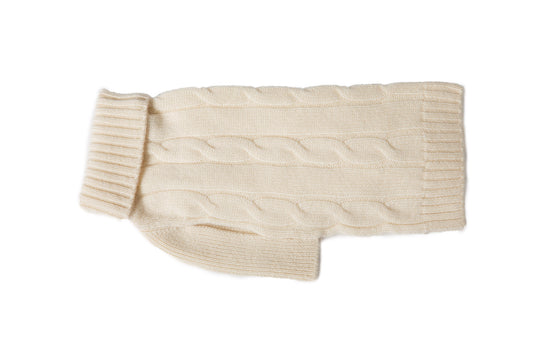
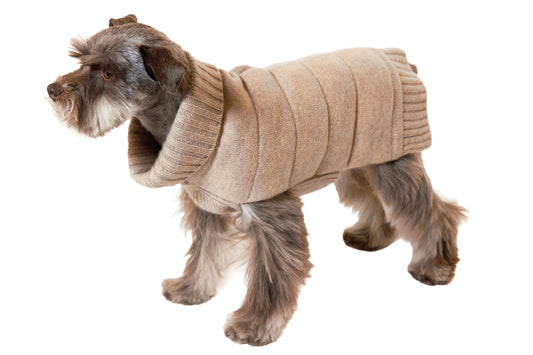
Our cashmere solid cable knits are classic, sleeveless pullover sweaters available in the widest color range — a versatile everyday option. The hooded styles add a hood and front leg coverage for extra warmth and a sportier look. Patterned styles like Hearts, Lauren, and Sonia feature distinctive designs with front-leg coverage with a harness hole. The Leopard and Checkered sweaters are heavier-weight cashmere with a snug fit and full coverage also with a harness hole. All are 100% cashmere — the difference is coverage, weight of cashmere and design.
Why do cashmere dog sweaters cost more than wool?
Why do cashmere dog sweaters cost more than wool?
Cashmere comes from the fine undercoat of cashmere goats, which produce a very limited amount of fiber each year — roughly one sweater’s worth per goat. This scarcity, combined with the labor-intensive harvesting and sorting process, makes cashmere significantly more expensive as a raw material. The result is a fiber that’s softer, lighter, and warmer than wool. The price difference reflects both the material cost and the quality of construction.
What makes Canine Styles cashmere different from other cashmere dog sweaters?
What makes Canine Styles cashmere different from other cashmere dog sweaters?
Canine Styles uses 100% cashmere — not cashmere blends or cashmere-touch synthetics that some brands market at lower price points. The difference is noticeable in softness, warmth, and how the sweater holds up over time. Our cashmere sweaters are available in a wide range of styles, from classic cable knits to heavier-weight designs with front leg coverage and built-in harness holes — details that reflect thoughtful design for dogs, not just repurposed human knitwear patterns.
How do I wash a cashmere dog sweater?
How do I wash a cashmere dog sweater?
Hand-wash in cold water with a gentle detergent or a cashmere-specific wash. Gently press out excess water without wringing or twisting, then lay flat on a clean towel to dry. You can machine-wash in cold water on a gentle cycle,but never tumble-dry, or hang cashmere — heat and agitation break down the fibers and cause shrinkage. Dry cleaning is also an option. With proper care, cashmere becomes softer with each wash.
How should I store cashmere sweaters when not in use?
How should I store cashmere sweaters when not in use?
Fold cashmere sweaters and store them flat in a drawer or on a shelf — never hang them, as the weight stretches the fabric over time. Make sure the sweater is clean before storing, since body oils and dirt attract moths. A breathable garment bag or cotton storage container works well for longer-term storage. Adding a cedar block or lavender sachet helps deter moths naturally without chemicals.