
-
"H" Dog Collar - French Dog Collar, 10 Color Options
Regular price From $95.00Regular priceUnit price per -
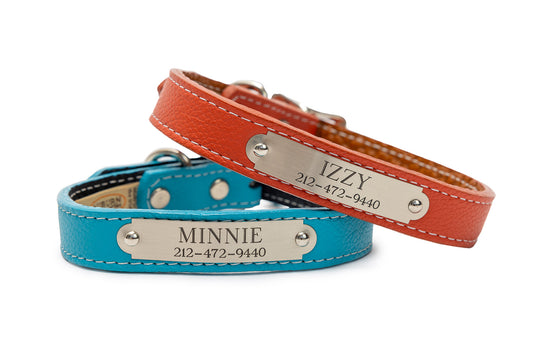
Auburn Dog Collar - Dog Collar, Soft Leather, 11 Colors, Additional Stainless Name Plate Available
Regular price From $75.00Regular priceUnit price per -
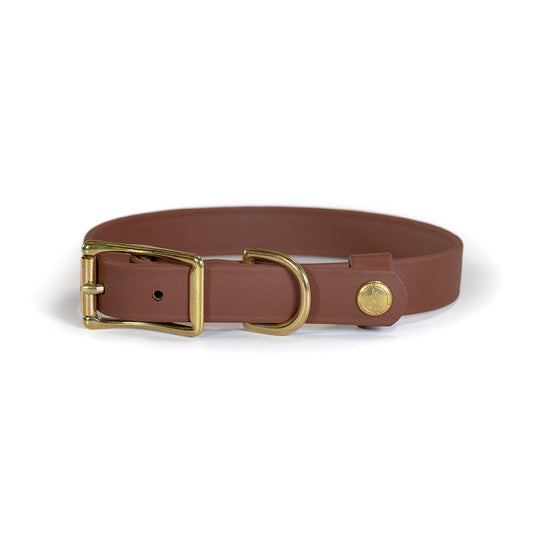
Biothane Waterproof Collar, Additional Brass Name Plate Available
Regular price From $85.00Regular priceUnit price per -

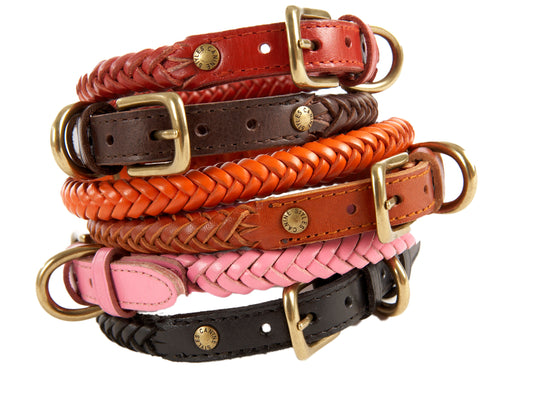
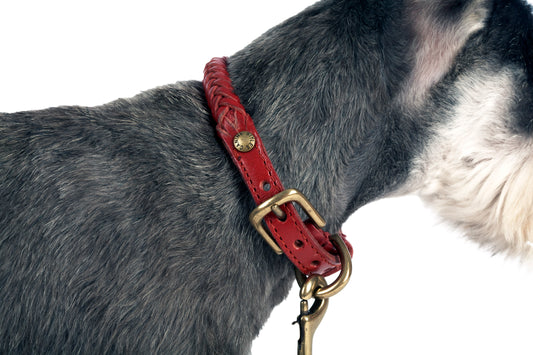
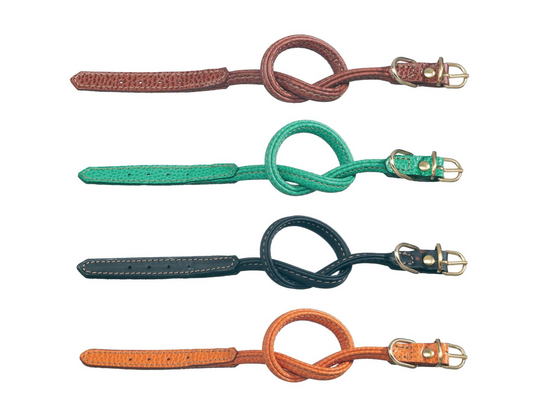
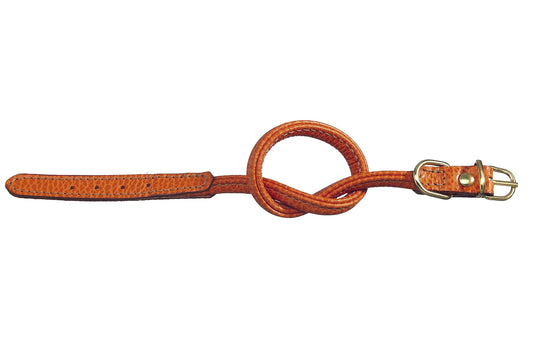
Braided Leather - Dog Collar | 5 Color Options
Regular price From $95.00Regular priceUnit price per -
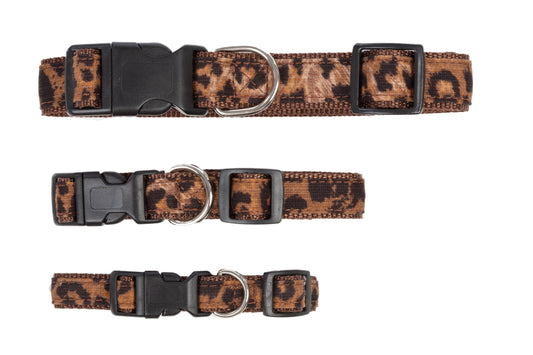
Canine Styles Designer Collars - 7 Color Options
Regular price $35.00Regular priceUnit price per -
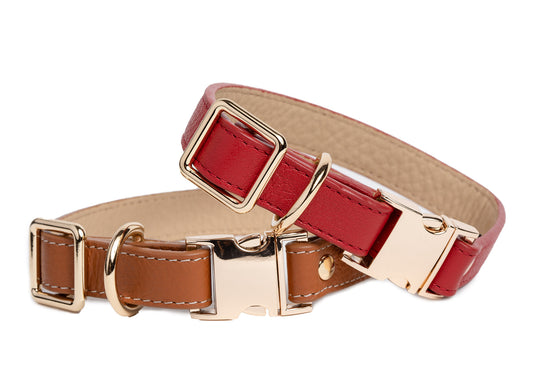
Canine Styles Fine Leather Buckle Collar - 5 Color Options
Regular price $85.00Regular priceUnit price per -
Canine Styles Soft Leather Collar - 10 Colors
Regular price $65.00Regular priceUnit price per -
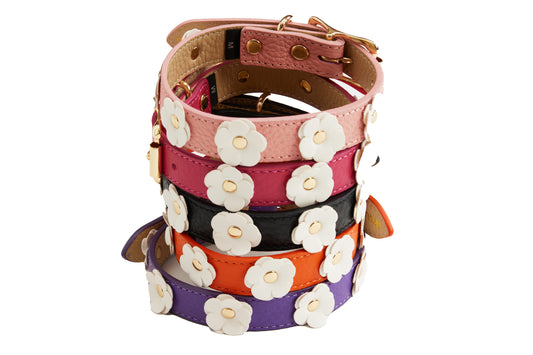
Canine Styles Soft Leather Flower Dog Collar - 5 Color Options
Regular price $80.00Regular priceUnit price per -
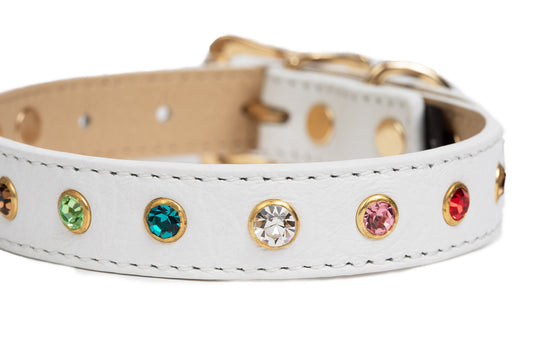
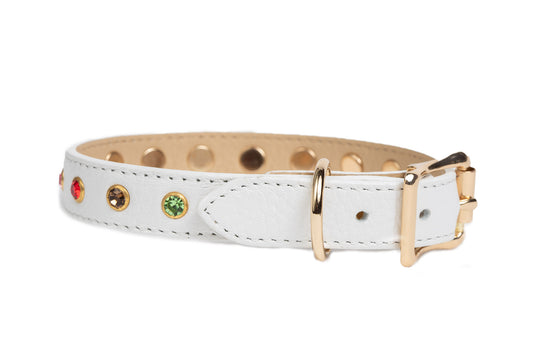
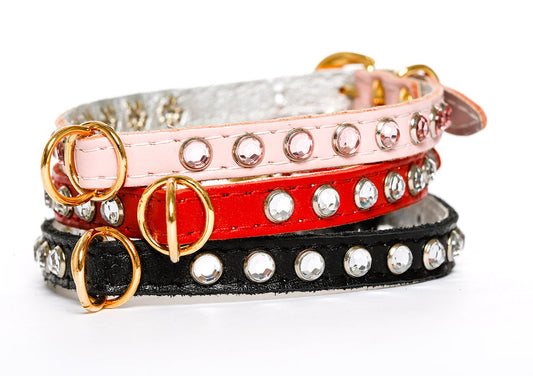
Canine Styles White Leather Multi-colored Rhinestone Collar
Regular price $80.00Regular priceUnit price per -
Cinopelca - Dog "Collar Only"- Italian Dog Collar - 6 Color Options
Regular price $65.00Regular priceUnit price per -
Designer Collar - 4 Color options
Regular price $35.00Regular priceUnit price per -
Dog Collar - Jophi Soft Leather Rhinestone - 8 Color Options
Regular price $75.00Regular priceUnit price per










Frequently Asked Questions
How do I measure my dog's neck for a collar?
How do I measure my dog's neck for a collar?
Use a soft measuring tape or a piece of string around your dog's neck where the collar will sit — typically just below the ears and jawline. Fit two fingers between the tape and neck for a comfortable allowance. If your dog falls between sizes, size up. Always check the size chart on the product page, as fit ranges may vary by leather and nylon collar style.
How tight should a dog collar be?
How tight should a dog collar be?
A properly fitted dog collar should be snug enough that it won't slip over your dog's head, but loose enough to slide two fingers between the collar and your dog's neck. If you can't fit two fingers underneath, it's too tight and may cause discomfort. If it slides easily toward the ears, it's too loose, and your dog could back out. Check the fit regularly, especially with puppies or dogs whose weight fluctuates.
What types of dog collars does Canine Styles offer?
What types of dog collars does Canine Styles offer?
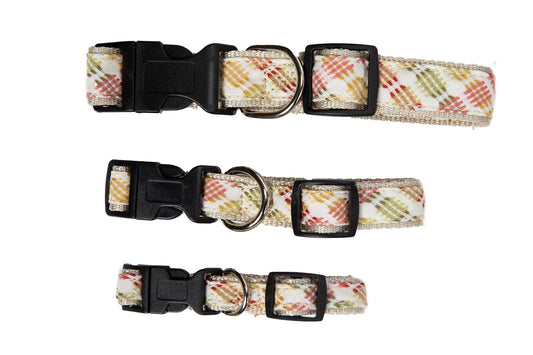
Canine Styles offers designer collars in leather and nylon. The leather range includes Soft Leather collars, Fine Leather Buckle collars, Braided Leather collars, Flower collars with hand-cut leather flowers, Rhinestone collars, and Classic Flat Leather collars with an optional brass name plaque. Nylon designer collars come in 15+ patterns with buckle-free snap closures. Leather collars feature solid brass hardware; nylon collars are fully adjustable and washable.
How do I choose the right collar style for my dog?
How do I choose the right collar style for my dog?
Start with your dog's size, activity level, and style preference. Leather collars — Soft Leather, Fine Leather Buckle, Braided — suit dogs who walk calmly and owners who want a classic look that develops a patina over time. Flower and Rhinestone collars add a fashion-forward touch. Nylon designer collars are ideal for active dogs or wet weather since they're lightweight, washable, and available in coordinating patterns with matching harnesses and leads.
Is a collar or a harness better for my dog?
Is a collar or a harness better for my dog?
It depends on your dog's behavior on walks. A collar works well for calm, leash-trained dogs and is essential for carrying ID tags day-to-day. A harness is a better choice for dogs that pull, have respiratory sensitivities, or tend to slip out of collars — it distributes pressure across the chest instead of the neck. Many owners use both: a collar for ID and everyday wear, and a harness for walks. Canine Styles offers both leather and nylon options.
How do I care for a leather dog collar?
How do I care for a leather dog collar?
Wipe your leather collar with a damp cloth to remove dirt, then let it air dry away from direct heat or sunlight. Condition the leather occasionally with a leather conditioner to keep it supple and prevent cracking. Avoid soaking or machine washing, which can damage the leather and hardware. With regular care, a quality leather collar develops a rich patina and can last for years.
Are your collars safe for dogs that pull hard, or should strong pullers use a harness instead?
Are your collars safe for dogs that pull hard, or should strong pullers use a harness instead?
For dogs that pull consistently, a harness is the safer option. Collars concentrate force on the neck, which can cause discomfort or strain in strong pullers. Our Braided Leather collars and leads are specifically not recommended for dogs that pull hard. If your dog pulls on walks, consider a Mesh Step-In Harness or a Leather Step-In Harness, which distributes pressure across the chest. A collar is still recommended alongside a harness for carrying ID tags.
How long will a quality leather collar last with daily use?
How long will a quality leather collar last with daily use?
A well-made leather collar with solid brass hardware can last several years with daily wear. Genuine leather naturally softens and develops a distinctive patina over time, improving in character rather than deteriorating. Regular care — wiping clean and occasional conditioning — extends its life further. Leather is one of the longest-lasting collar materials available, making it a worthwhile investment for everyday use.